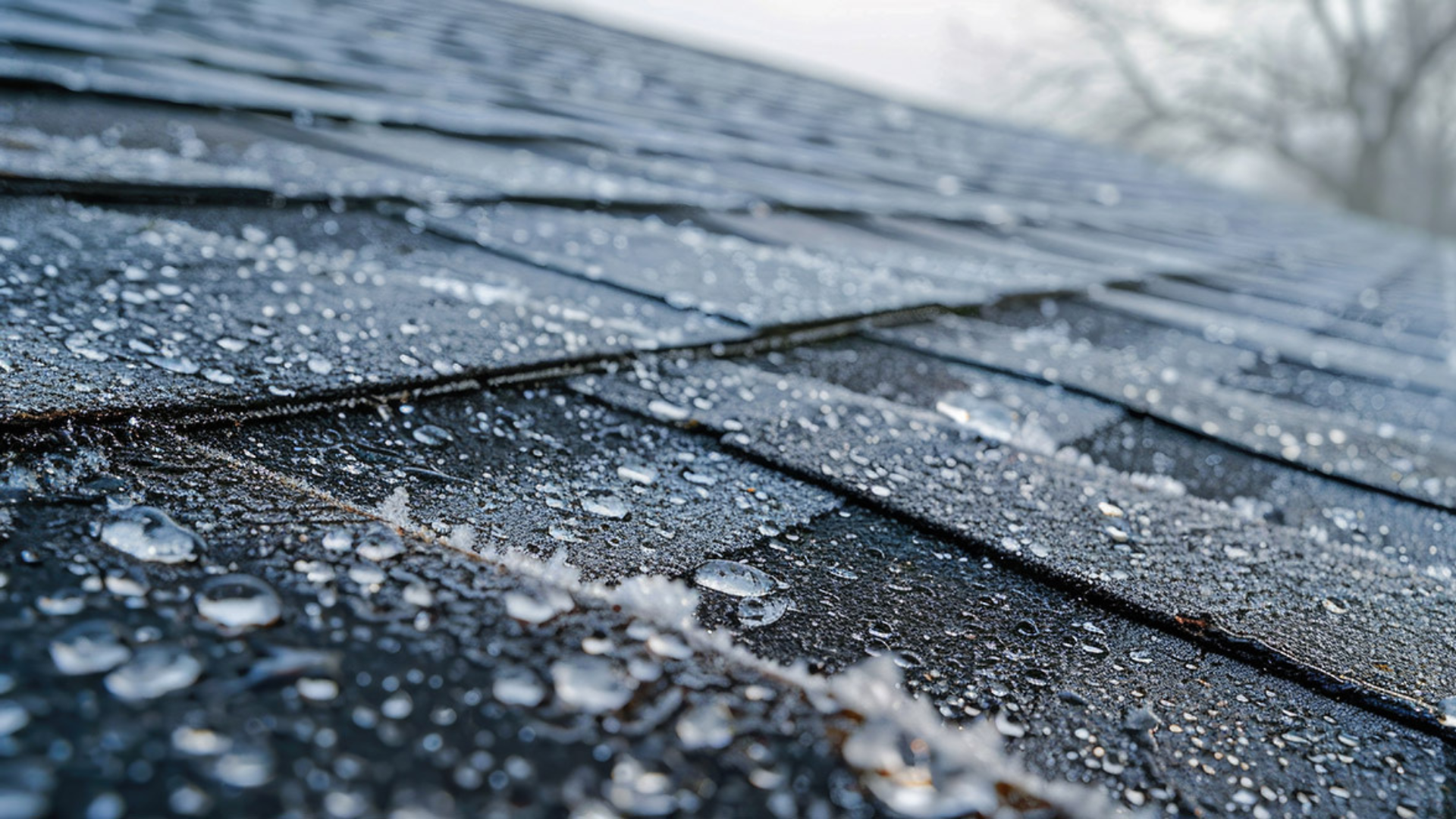
After a hailstorm rolls through Western North Carolina, thousands of homeowners look up at their roofs and wonder the same thing: is that damage from the storm, or was it already there? The answer to this question could mean the difference between a fully covered roof replacement and an expensive out-of-pocket repair. Insurance companies hail claims departments handle thousands of these disputes every year, and the reality is that many legitimate storm damage claims get unfairly denied or undervalued. Here's what you need to know to make sure that doesn't happen to you.
The Distinction Between Hail Damage and Normal Wear
Your homeowners insurance policy is designed to cover sudden, accidental damage to your roof. That includes hail, wind, fallen trees, and other storm-related events. What it typically does not cover is gradual deterioration from aging, poor maintenance, or general exposure to the elements over time.
This distinction creates a gray area that insurance companies often exploit. When an adjuster inspects your roof after a hailstorm, their job is to determine what damage was caused by the storm and what was already present due to normal wear. In many cases, adjusters will attribute legitimate hail damage to pre-existing wear, effectively reducing or denying your claim.
The challenge for homeowners is that hail damage and normal wear can sometimes look similar to the untrained eye. That's why having a knowledgeable roofing professional on your side during the claims process is so critical.
How to Identify Hail Damage on Your Roof
Hail damage leaves very specific, identifiable marks on roofing materials. Knowing what to look for can help you understand whether your roof has been affected after a storm. Here are the key signs of hail damage on different roofing materials:
Hail Damage on Asphalt Shingles
- Random pattern of dark spots or dents across the roof surface
- Granule displacement that exposes the black asphalt underlayment beneath
- Soft spots where the shingle mat has been bruised or fractured
- Dents or fractures in the shingle that feel spongy when pressed
- Damage that appears in no consistent pattern, scattered across the roof
Hail Damage on Metal Roofs
- Visible dents or dimples on the metal panels
- Circular marks that vary in size depending on the hailstone
- Damage to metal flashing, vents, and other roof components
- Cosmetic denting that may not immediately cause leaks but compromises the finish
Hail Damage on Flat and Commercial Roofs
- Punctures or tears in the membrane (TPO or EPDM)
- Circular indentations in the roofing surface
- Cracking or splitting around impact points
- Damage to exposed flashing and edge details
One of the most telling characteristics of hail damage is its randomness. Hailstones don't fall in neat rows or concentrate in one area. If you see damage scattered across the roof in an irregular pattern, that's a strong indicator of hail rather than wear.
What Normal Roof Wear Actually Looks Like
Normal wear and tear happens gradually over the life of every roof. For standard asphalt shingles, the expected lifespan is typically 20 to 25 years, and the signs of aging follow predictable patterns. Understanding these patterns helps you distinguish between hail damage vs wear when evaluating your roof.
Common signs of normal roof wear include:
- Uniform granule loss across the entire roof surface, especially in areas with heavy sun exposure
- Curling or buckling shingles, particularly along edges and ridges
- Cracking that follows the shingle's natural lines rather than appearing as random impact marks
- Moss or algae growth in shaded, moisture-prone areas
- Gradual fading or discoloration that appears even across the roof
- Bald spots where granules have worn away consistently over time
The key difference is consistency. Normal wear tends to appear uniformly across the roof or in predictable areas where sun, wind, or moisture exposure is greatest. Hail damage, by contrast, is random, concentrated where individual hailstones struck, and often accompanied by damage to other exterior surfaces like gutters, siding, and outdoor equipment.
Read our blog about the lifespan of different roofing materials.
What Insurance Companies Don't Tell You About Hail Claims
When it comes to insurance companies hail claims, there are several things your carrier may not be upfront about. Understanding these can make a significant difference in the outcome of your roof hail damage settlement.
They May Undervalue Your Claim
Insurance adjusters work for the insurance company, not for you. Their financial incentive is to minimize payouts. This can mean attributing storm damage to pre-existing wear, underestimating the scope of repairs needed, or recommending a patch job when a full replacement is warranted.
Cosmetic Damage Exclusions Are Increasingly Common
Some insurance policies now include "cosmetic damage exclusions" that allow carriers to deny claims for hail damage that doesn't immediately cause functional problems like leaks. This means that even if your roof is clearly dented and damaged from hail, your insurer might argue that since it isn't actively leaking, the damage is merely cosmetic and not covered.
The Clock Is Ticking on Your Claim
Most insurance policies have time limits for filing storm damage claims. In North Carolina, you generally need to file promptly after discovering damage. Waiting too long can give your insurance company grounds to deny your claim, arguing that additional deterioration occurred between the storm and your filing.
Storm Damage Is a No-Fault Claim
Here's something many homeowners don't realize: filing a claim for storm damage, including hail, is considered a no-fault claim. Your insurance company cannot raise your rates or cancel your policy because you filed a hail damage claim. The storm wasn't your fault, and your policy exists specifically to cover events like this.
Going It Alone Puts You at a Disadvantage
The numbers speak for themselves. Less than 10% of roof claims are completely covered when the homeowner deals with the insurance company on their own. When a professional roofing contractor who understands the insurance claims process handles the claim, the coverage rate jumps to over 70%. That's a dramatic difference, and it highlights just how much expertise matters when navigating a roof hail damage settlement.
How to Protect Your Hail Damage Claim
If you suspect your roof has sustained hail damage, taking the right steps in the right order can protect your claim and improve your chances of a fair settlement. Here's the process we recommend:
- Have a professional roofing contractor inspect your roof so the damage can be documented with photos and videos before anything changes.
- Contact your insurance provider to initiate the claim once you have professional documentation.
- Have your roofing contractor meet with the insurance adjuster to walk through the damage together and ensure nothing is overlooked.
- Work together — homeowner, roofing contractor, and insurance adjuster — to finalize the paperwork and begin necessary repairs.
Documentation is everything. The more thorough and professional your damage assessment, the harder it becomes for an insurance company to dismiss legitimate hail damage as normal wear.
Read our blog about the roof replacement timeline.
Why a Professional Inspection Makes All the Difference
Most homeowners don't know what storm damage looks like on a roof, and that's perfectly understandable. Hail damage can be subtle, especially on architectural shingles where the dimensional surface can mask impact marks. A trained roofing inspector knows exactly what to look for and can distinguish between hail impacts, wind damage, and normal aging with confidence.
A professional inspection also creates the kind of documentation that holds up during the claims process. Insurance adjusters respond differently when they're working with a knowledgeable roofing contractor who can clearly identify and explain damage patterns versus a homeowner who may not have the technical language or experience to advocate effectively for their claim.
At Northwest Roofing, we've been helping homeowners across Western North Carolina with insurance claims since 1997. As a licensed NC General Contractor and BBB A+ Rated and Accredited Business, we understand how insurance works, and we make sure our clients are taken care of throughout the entire process. When we find wind or hail damage, we handle the claims process so that the hardest thing you'll need to do is pick out a color for your new roof.
Frequently Asked Questions
How can I tell the difference between hail damage and normal wear on my roof?
Hail damage creates random, scattered impact marks across your roof surface, often appearing as dark spots, dents, or areas of displaced granules on asphalt shingles. Normal wear, on the other hand, presents as uniform deterioration — consistent granule loss, even fading, or curling that follows predictable patterns related to sun exposure and aging. A professional roofing inspector can definitively identify which type of damage is present on your roof.
Will my insurance rates go up if I file a hail damage claim?
No. Storm damage, including hail, is always classified as a no-fault claim. Your insurance company cannot raise your rates or cancel your policy because you filed a claim for hail damage. The storm was an act of nature, not something caused by negligence or poor maintenance.
How long do I have to file a hail damage insurance claim in North Carolina?
While specific timeframes can vary by policy, it's important to file your claim as soon as possible after discovering damage. Delays can give insurance companies reason to question whether the damage is truly storm-related or resulted from subsequent wear and exposure. Contact your insurance provider and a professional roofing contractor promptly after any significant hailstorm.
What should I do if my insurance company denies my hail damage claim?
If your claim is denied, don't assume that's the final answer. Many initial denials are overturned when a knowledgeable roofing contractor provides additional documentation or meets with the adjuster to review the damage in person. Having a professional advocate who understands insurance claims can be the difference between a denial and a fully covered roof replacement. Contact Northwest Roofing for a free inspection and expert claims assistance.
Can insurance companies call hail damage "cosmetic" and refuse to pay?
Some policies do include cosmetic damage exclusions that allow insurers to deny coverage for hail damage that hasn't yet caused leaks or functional problems. However, what may appear to be cosmetic damage can actually compromise your roof's protective capabilities and shorten its lifespan significantly. A professional inspection can help document the functional impact of hail damage beyond what's visible on the surface.
Take Control of Your Roof Hail Damage Claim
The gap between what insurance companies want to pay and what your roof actually needs is often wider than homeowners realize. Understanding the difference between hail damage vs wear puts you in a stronger position when filing a claim, and having a professional roofing contractor in your corner can dramatically improve your roof hail damage settlement outcome.
If your home has been through a hailstorm, or if you're unsure whether the damage you see is storm-related or age-related, don't try to figure it out alone. Northwest Roofing offers free, no-pressure roof inspections for homeowners throughout Western North Carolina. We'll assess your roof, document any storm damage, and guide you through the insurance claims process from start to finish. Contact us to schedule your free inspection today.