NorthWest Roofing Blog
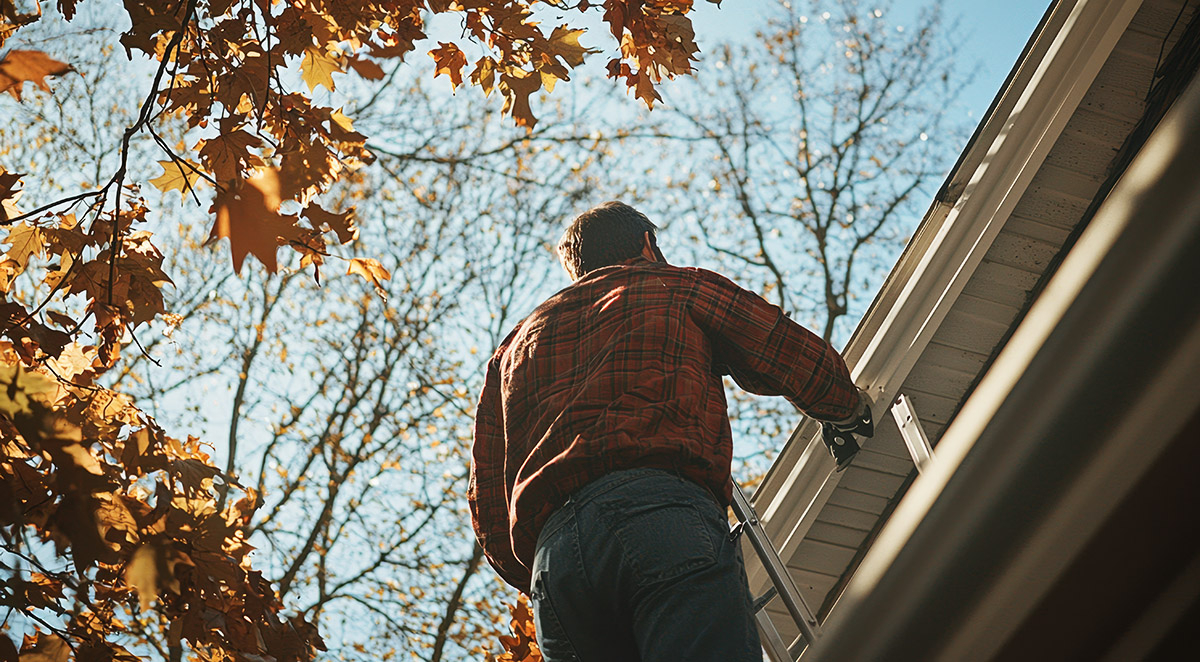
When the leaves start turning across the Blue Ridge and the Piedmont, most North Carolina homeowners think about raking the yard and pulling out warm blankets. Your roof deserves a spot on that seasonal to-do list too. A little fall roof maintenance now can help you avoid leaks, ice damage, and emergency calls in the middle of a cold snap.
At Northwest Roofing, we have been helping families and businesses across Western North Carolina with dependable roofing services since 1999. This checklist walks you through the simple steps you can take this fall, plus when it makes sense to call in a professional for a pre-winter roof inspection.
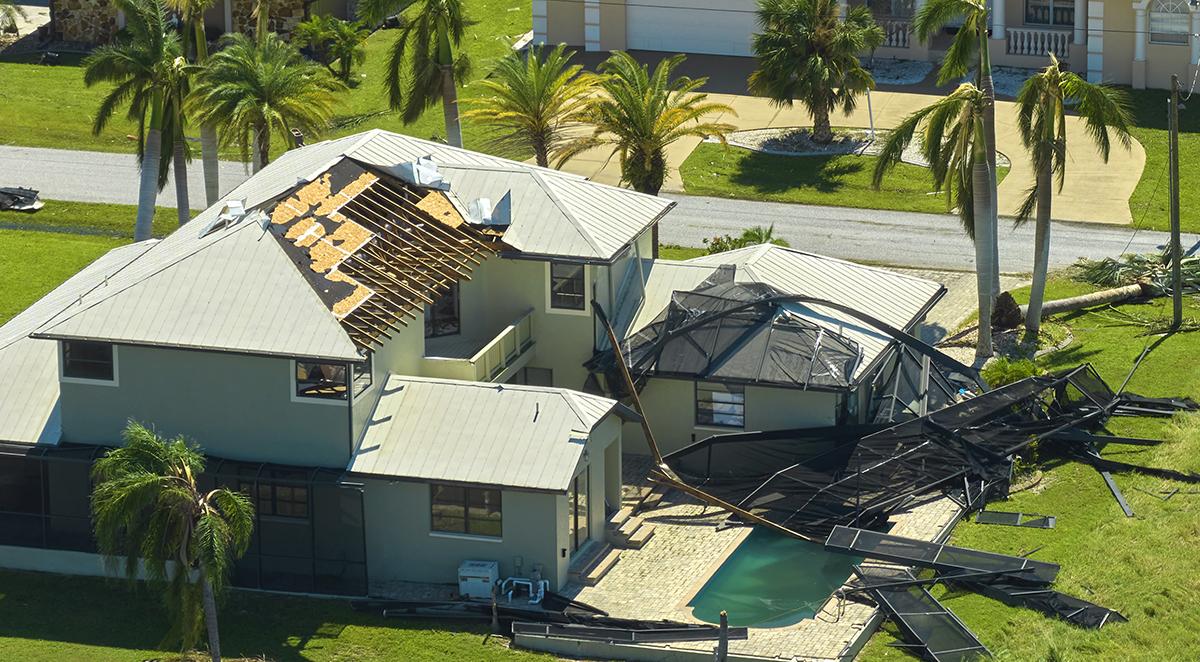
When a hurricane or tropical system pushes through western North Carolina, the hours and days afterward are stressful and disorienting. You want to know whether your home is safe, what the storm actually did to your roof, and how you will cover any repairs. For many homeowners, the first instinct is to grab a ladder, climb up, and judge the damage themselves.
That instinct is completely understandable. It is also one of the riskiest shortcuts you can take after a major storm. Hurricane damage is often hidden, genuinely dangerous to evaluate from a ladder, and easy to misjudge in ways that cost thousands of dollars once it is time to file an insurance claim. A professional assessment protects three things at once: your safety, your wallet, and your claim. Here is why it matters, and what to do instead.
Hurricane season runs from June through November, and many North Carolina homeowners assume it is a coastal concern. It is not. Western North Carolina sits squarely in the path of inland wind, heavy rain, and the remnants of tropical systems that can do serious damage hundreds of miles from the shore. Your roof is the part of your home most exposed to all of it.
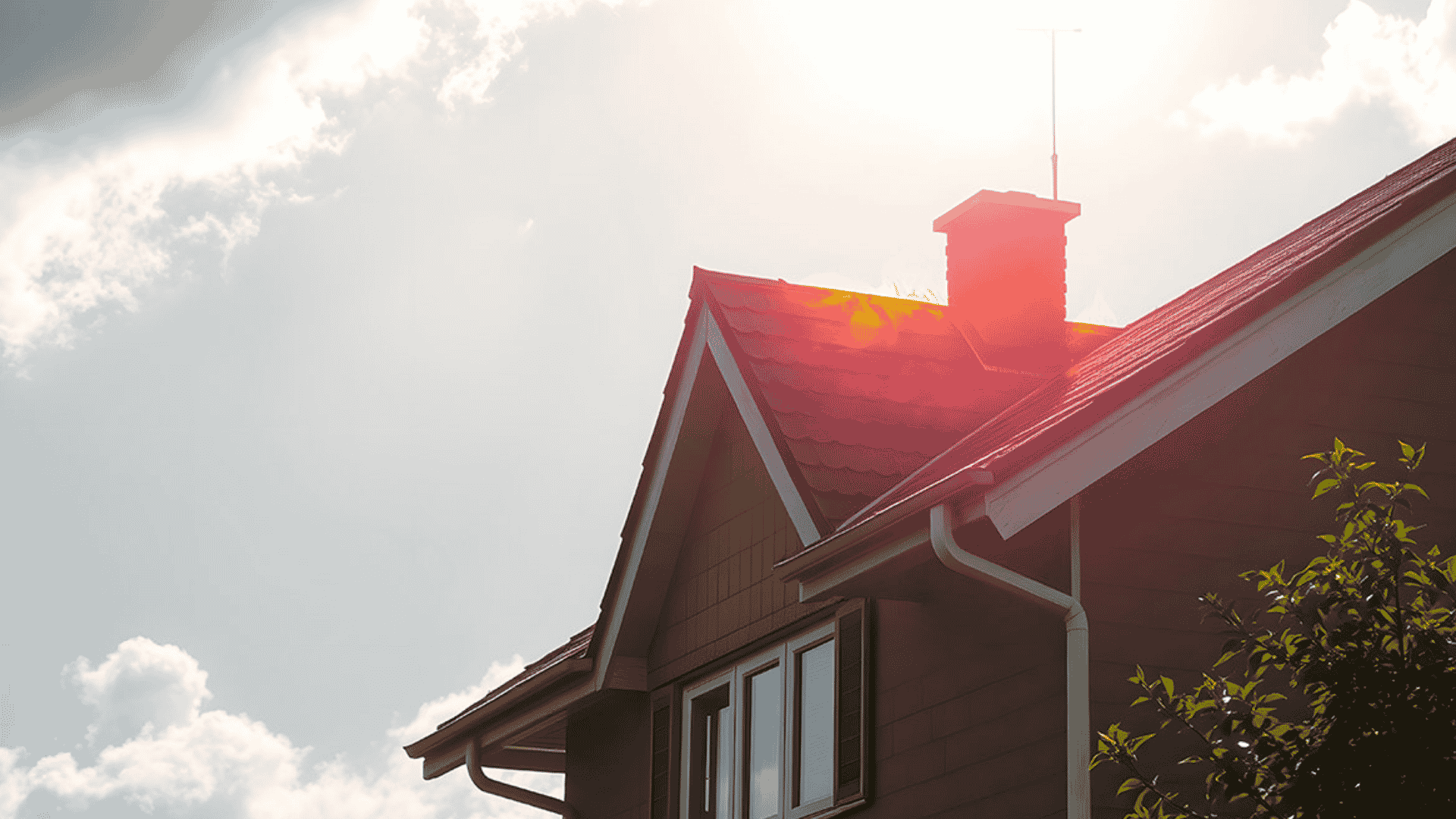
North Carolina summers are no joke. When temperatures climb into the 90s and beyond across Hickory, Statesville, and the surrounding foothills, your roof absorbs the brunt of that heat day after day. Over time, summer heat roof damage can shorten the lifespan of your roofing system, drive up energy costs, and create problems that many homeowners never see coming until they need costly repairs.
Each roofing material responds to high temperatures in its own way, and knowing what to watch for can help you catch small issues before they become big ones.