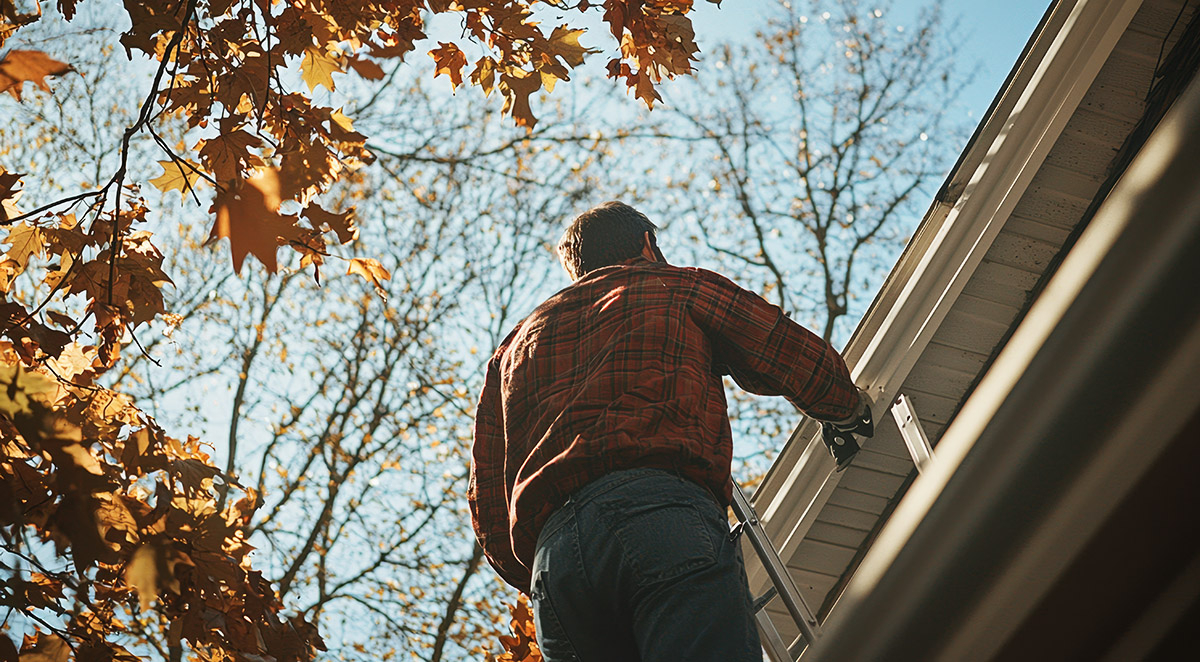
When the leaves start turning across the Blue Ridge and the Piedmont, most North Carolina homeowners think about raking the yard and pulling out warm blankets. Your roof deserves a spot on that seasonal to-do list too. A little fall roof maintenance now can help you avoid leaks, ice damage, and emergency calls in the middle of a cold snap.
At Northwest Roofing, we have been helping families and businesses across Western North Carolina with dependable roofing services since 1999. This checklist walks you through the simple steps you can take this fall, plus when it makes sense to call in a professional for a pre-winter roof inspection.
Quick Summary
- Fall is the best time for winter roof preparation, before freezing temperatures and ice arrive.
- Start with a ground-level walk around your home to spot missing shingles, sagging gutters, and debris.
- Keep gutters and downspouts flowing so water and ice do not back up under your roof.
- Check your attic for stains, dampness, or daylight coming through.
- Review your homeowners insurance policy so you know what storm damage coverage you have.
- Schedule a free pre-winter roof inspection with Northwest Roofing to catch problems early.
Why Fall Roof Maintenance Matters in North Carolina
North Carolina winters are unpredictable. Homeowners in the High Country around Boone and Blowing Rock often deal with snow and ice. The weather in communities like Hickory, Statesville, and Charlotte see swings of mild afternoons to freezing nights. Freezing rain and ice storms can strike almost anywhere in our service area.
Those conditions put steady stress on your roof. When water finds its way into a small crack or under a lifted shingle, it can freeze, expand, and make the opening larger. Heavy, wet snow and ice add weight, and winter winds can loosen materials that were already weakened.
Fall gives you a window of mild weather to find and fix these weak spots. Repairs are easier to schedule before storms arrive.
Your Fall Roof Maintenance Checklist
Work through these steps over a weekend or two. For your safety, do everything you can from the ground or from inside your attic. Leave climbing onto the roof to trained professionals.
1. Walk the Perimeter of Your Home
Grab a pair of binoculars and take a slow walk around your house on a clear day. Look at every visible section of the roof and note anything that seems out of place, such as:
- Missing, cracked, or curling shingles
- Dark patches or areas where granules have worn away
- Loose or lifted metal panels or trim
- Piles of leaves, pine needles, or branches sitting on the roof
- Shingle granules collecting at the bottom of downspouts
Photograph anything that concerns you. These pictures can help if you later file an insurance claim.
2. Keep Gutters and Downspouts Flowing
Falling leaves can clog gutters quickly in North Carolina's wooded neighborhoods. When gutters overflow, water can back up under the roof edge, soak the fascia, and freeze into ice dams during cold weather.
Once most of the leaves have dropped, clear your gutters or arrange for a gutter cleaning service. Then make sure downspouts carry water well away from your foundation. If you find yourself fighting clogs every fall, consider an upgrade. Northwest Roofing installs seamless gutters, gutter screens, and gutter guards. Our guide on what kind of gutters are right for your home can help you compare options.
3. Trim Overhanging Branches
Tree limbs that hang over your roof can scrape shingles in the wind and drop debris that traps moisture. During an ice storm, they become an even bigger concern because ice-coated branches can snap and fall onto your home. Have a tree professional trim limbs back from the roofline before winter weather arrives.
4. Check Your Attic for Warning Signs
Your attic often reveals roof problems before they show up on your ceilings. On a bright day, bring a flashlight and look for:
- Water stains or dark spots on the roof decking or rafters
- Damp or compressed insulation
- Mold, mildew, or a musty smell
- Pinpoints of daylight coming through the roof boards
- Signs of animals or nesting
Poor ventilation can also cause moisture buildup and uneven roof temperatures that contribute to ice dams. If your attic feels unusually damp or you see frost on the underside of the roof in cold weather, mention it during your inspection. Read our blog about how roof ventilation problems lead to premature roof failure.
5. Look at Flashing, Vents, and Chimneys
Flashing is the metal that seals the joints around chimneys, vents, skylights, and valleys. It is one of the most common sources of roof leaks. From the ground, look for flashing that appears bent, rusted, or pulled away from the roof surface. Also watch for cracked caulk or gaps around pipe boots and vents.
6. Review Your Homeowners Insurance Policy
Fall is a smart time to pull out your policy and understand your storm damage coverage and deductible. Knowing this ahead of time makes it easier to act quickly if winter weather damages your roof. Our article on what kind of roof damage is covered by insurance explains the basics.
7. Schedule a Professional Pre-Winter Roof Inspection
Even the most careful homeowner cannot see everything from the ground. Wind and hail damage is often hard to spot, yet it can shorten the life of your roof by years. A professional pre-winter roof inspection gives you a clear picture of your roof's condition before the weather turns.
What to Expect From a Northwest Roofing Inspection
Northwest Roofing offers complimentary, no-pressure roof inspections for residential and commercial customers if you suspect damage, including wind and hail damage. During your inspection, our team will examine your roofing materials, check the flashing around chimneys, vents, and valleys, and look for signs of leaks. We document our findings with photos so you can see exactly what we see. Routine maintenance and preventative inspections, such as pre-winter roof assessments, are available for a fee.
If we find wind or hail damage, we can help you through the insurance claims process. We work on your behalf to make sure your insurance carrier meets its obligations, so you can focus on your home and family.
How Different Roof Types Handle Winter
Every roofing material responds to cold weather a little differently. Knowing what you have helps you know what to watch for.
- Asphalt shingles: Watch for lifted, cracked, or missing shingles after wind and ice.
- Standing seam metal: Metal roofs need little maintenance, but trim and flashing still deserve a look.
- EPDM flat roofs: Flat roofs can hold standing water that freezes, so clear drains and watch for ponding.
- Composite slate and shake: Check flashing and roof edges each fall.
What to Do If Winter Weather Damages Your Roof
Even with good preparation, a severe storm can still cause problems. If you notice leaks or damage this winter, follow these steps:
- Stay safe and avoid climbing onto an icy or damaged roof.
- Move belongings away from any active leak and place containers to catch water.
- Take clear photos of the damage inside and outside your home.
- Call Northwest Roofing at 844-766-3762 for emergency roofing help.
- Contact your insurance company, and let us help document the damage for your claim.
Our page on leaks and storm damage and our guide on what to do after storm damage to your roof offer more detail.
Frequently Asked Questions
When is the best time for fall roof maintenance in North Carolina?
Plan your fall roof maintenance for mid to late fall, after most leaves have dropped but before freezing temperatures settle in. In the mountains, that window closes earlier, so High Country homeowners should start sooner.
Can I do my own pre-winter roof inspection?
You can handle many checks from the ground and inside your attic. However, a professional can safely inspect the roof surface and identify storm damage that most homeowners would miss.
What causes ice dams on North Carolina roofs?
Ice dams form when snow melts on a warm section of roof, runs down, and refreezes at the colder edge. Clogged gutters and poor attic ventilation can make them more likely.
Does homeowners insurance cover winter storm damage to my roof?
Many policies cover sudden damage from wind, hail, ice, or fallen trees, while wear and tear is usually excluded. Coverage varies, so review your policy and let us help you through the claims process.
Get Your Roof Ready for Winter
A few hours of fall roof maintenance today can save you from stress and costly damage later this winter. Walk your property, keep water flowing, check your attic, and know your insurance coverage. Then let the professionals handle the rest.
Northwest Roofing is a licensed NC General Contractor with a Better Business Bureau A+ rating, and we are proud to serve communities across Western North Carolina. Contact us today to schedule your free pre-winter roof inspection and head into winter with confidence.