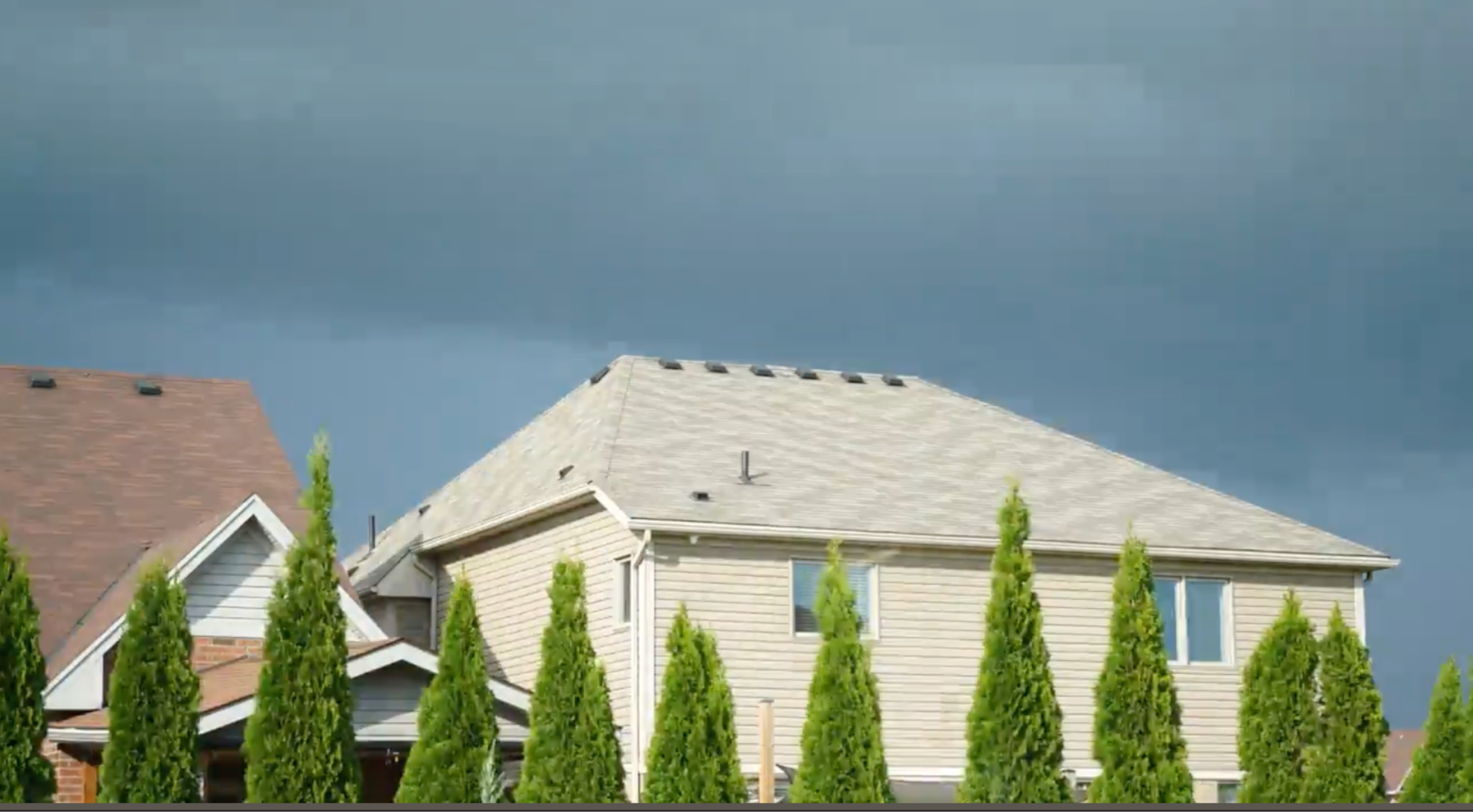
Spring storm season in North Carolina can be fierce. Heavy rains, high winds, and even hail put your roof to the ultimate test. While most homeowners know to look for obvious damage like missing shingles or visible leaks, many critical warning signs go unnoticed until they become expensive emergencies.
Understanding the subtle indicators that your roof is failing can save you thousands of dollars in water damage repairs and help you avoid the stress of dealing with storm damage when severe weather hits. Let's explore five hidden signs that your roof may need replacement before the next storm rolls through.
1. Granule Loss in Your Gutters and Downspouts
One of the most overlooked roof replacement signs appears not on your roof itself, but in your gutters. Asphalt shingles are coated with ceramic granules that protect the underlying asphalt from UV rays and weather damage. As shingles age, these granules begin to loosen and wash away during rainstorms.
Granule Loss Concern
When you notice a significant accumulation of these sand-like granules in your gutters or at the bottom of your downspouts, it's a clear indicator that your shingles are deteriorating. Without this protective coating, the asphalt layer becomes exposed to the elements, accelerating wear and making your roof vulnerable to leaks. This degradation typically occurs after 15-20 years of exposure, depending on your shingle quality and local weather conditions.
What to Look For
Check your gutters after a heavy rain. A few granules are normal, especially on a newer roof as excess granules settle. However, if you're finding consistent, heavy deposits or can see bare spots on your shingles from the ground, your roof is telling you it's nearing the end of its lifespan. This is particularly critical before spring storm season when heavy rains can exploit these weakened areas.
2. Daylight Coming Through Your Attic Boards
When was the last time you actually went into your attic? Most homeowners rarely venture up there, but your attic can reveal crucial information about your roof's condition. One of the most alarming discoveries is seeing pinpoints or streams of daylight coming through the roof boards.
The Danger of Light Penetration
If light can get through your roof, so can water, cold air, and moisture. Even small gaps in your roof decking can indicate serious structural problems that need immediate attention. These openings often develop around roof penetrations like chimneys, vents, and skylights, or where the roof structure has begun to deteriorate.
Associated Warning Signs
While you're in the attic, look for these related indicators:
- Dark streaks or staining on the underside of your roof deck
- Moisture or water stains on insulation
- Sagging areas in the roof deck
- Musty odors indicating trapped moisture
These conditions suggest that water has already been penetrating your roofing system, potentially compromising the structural integrity of your home. Before spring storms bring heavy rainfall, addressing these issues through professional roof inspection can prevent catastrophic damage.
3. Shingle Edges Curling or Clawing
Shingle deformation is a subtle but critical roof replacement sign that many homeowners miss. There are two main types of shingle deformation: curling and clawing. Curling occurs when the edges of shingles turn upward, while clawing happens when the edges stay flat but the middle section comes up.
Understanding Shingle Deformation
Both conditions indicate that your shingles have passed their prime. Curling typically results from moisture absorption in the shingle's underlayment, while clawing often stems from manufacturing defects or improper attic ventilation. Regardless of the cause, deformed shingles cannot effectively protect your home from water intrusion.
Why This Matters Before Storm Season
Deformed shingles are particularly vulnerable to wind damage. Spring storms in North Carolina often bring sustained winds that can catch underneath curled or clawed shingles and tear them completely off your roof. Once shingles are missing, your roof's underlayment becomes the only barrier against water—and underlayment is not designed to be a long-term waterproofing solution.
Walk around your property and view your roof from different angles. If you notice widespread curling or clawing, especially on the south and west-facing slopes that receive the most sun exposure, it's time to consider roof replacement before the weather turns severe.
4. Interior Paint Peeling or Wallpaper Bubbling Near the Roofline
Many homeowners never connect interior cosmetic issues with roof problems, but peeling paint or bubbling wallpaper near your ceiling or upper walls can indicate moisture infiltration from above. This hidden sign often appears in rooms directly beneath the roof, such as top-floor bedrooms or hallways.
The Moisture Connection
When your roof develops small leaks or allows moisture to penetrate, the water doesn't always drip down immediately. Instead, it can travel along roof rafters and trusses, eventually seeping into your ceiling and upper walls. This moisture causes paint to lose adhesion and wallpaper to separate from the wall surface.
Beyond Cosmetic Concerns
This issue goes far beyond aesthetics. Persistent moisture in your walls and ceiling creates ideal conditions for mold growth, which can develop within 24-48 hours of water exposure. Mold not only damages your home's structure but also poses serious health risks to your family. Additionally, moisture-damaged drywall and insulation lose their effectiveness and structural integrity.
If you're noticing these interior symptoms, it's essential to have a professional roof inspection to identify the source. Addressing roof problems now, before spring storms intensify the water intrusion, can prevent thousands of dollars in interior repairs.
5. Neighbors Getting New Roofs
This might seem like an unusual roof replacement sign, but it's actually one of the most practical indicators to watch for. If you live in an established neighborhood where homes were built around the same time, and you're noticing several neighbors getting new roofs, your roof is likely approaching the end of its lifespan too. Read our blog about the lifespan of different roofing materials.
Why Timing Matters
Most residential roofs in North Carolina are installed with asphalt shingles rated for 20-30 years, depending on the quality. Homes in the same development typically received similar roofing materials installed within a few years of each other. When one roof starts failing, others in the neighborhood are usually in similar condition.
The Advantage of Being Proactive
Rather than waiting for obvious damage to force your hand, being proactive offers several advantages:
- Better scheduling flexibility – You can choose contractors and timing that work best for you
- Potential cost savings – Some contractors offer neighborhood discounts when multiple homes schedule work together
- Storm season preparation – Getting your roof replaced before spring ensures maximum protection during severe weather
- Insurance considerations – Addressing roof replacement proactively may help avoid coverage disputes about pre-existing damage
Consider the age of your home and research when your neighborhood was developed. If your roof is approaching 20 years old and you're seeing neighbors replace theirs, don't wait for a spring storm to expose your roof's vulnerabilities.
Taking Action Before It's Too Late
If you've identified one or more of these hidden signs in your home, the time to act is now, before spring storm season arrives. The good news is that addressing roof problems proactively gives you control over the timing, cost, and quality of the work. Read our blog about the roof replacement timeline.
Your Next Steps
Start by scheduling a professional inspection with a reputable local contractor. During this inspection, be sure to:
- Point out any specific concerns you've noticed
- Ask about the remaining lifespan of your current roof
- Request documentation of all findings with photos
- Inquire about financing options and insurance coverage
- Get a detailed written estimate for necessary work
Don't let uncertainty about insurance coverage delay your inspection. Many homeowners are surprised to learn what kind of roof damage is covered by insurance, and understanding your coverage can help you make informed decisions about roof replacement timing.
Frequently Asked Questions
How long does the average roof last in North Carolina?
In North Carolina, most asphalt shingle roofs last between 20-25 years, though this can vary based on several factors. Quality of installation, material grade, attic ventilation, and exposure to severe weather all impact roof longevity. Metal and composite roofing materials typically last longer, with some lasting 40-50 years or more. Regular maintenance and prompt repairs can help extend your roof's lifespan, but once you start seeing multiple warning signs, replacement is usually more cost-effective than continuous repairs.
Should I replace my roof before or after filing an insurance claim?
You should always document damage and contact your insurance company before making repairs, especially if storm damage is involved. However, if your roof is failing due to age and wear rather than a specific covered event, insurance typically won't cover the replacement cost. It's best to have a professional inspection first to determine whether your roof problems stem from covered perils or normal aging. Your roofing contractor can help you understand what to do after storm damage and how to navigate the insurance process.
Can I just replace the damaged section of my roof instead of the whole roof?
While partial roof replacement is sometimes possible, it's rarely the best long-term solution. Matching new shingles to aged ones is difficult, and you'll likely notice color and texture differences. More importantly, if one section of your roof is failing, other areas are probably in similar condition. Partial replacement also creates additional seams and transitions where leaks can develop. For roofs showing multiple warning signs, complete replacement provides better protection and value.
How much does roof replacement cost in North Carolina?
Roof replacement costs vary significantly based on roof size, pitch, material choice, and the extent of any underlying damage. Rather than providing potentially misleading estimates, we encourage homeowners to schedule a free inspection where we can assess your specific situation and provide an accurate quote. Factors affecting cost include square footage, accessibility, current decking condition, and whether additional work like ventilation improvements is needed. Contact our team for a detailed assessment and transparent pricing for your home.
What time of year is best for roof replacement in North Carolina?
Late summer through fall typically offers the best conditions for roof replacement in North Carolina, with mild temperatures and less frequent rain. However, if your roof is showing serious warning signs, waiting for the "perfect" season could leave you vulnerable to spring storm damage. Modern roofing crews can work safely in various weather conditions, and addressing urgent problems immediately is always better than risking catastrophic failure during severe weather. The key is working with experienced contractors who understand how to manage installation in different seasons.
Conclusion
Your roof is your home's first line of defense against North Carolina's unpredictable spring weather. While obvious damage like missing shingles or active leaks demands immediate attention, these five hidden signs often provide earlier warnings that your roof is reaching the end of its serviceable life.
Don't wait until the next severe weather event exposes your roof's vulnerabilities. Contact us to schedule your free roof inspection today. Our experienced team serves homeowners throughout North Carolina, providing honest assessments and quality workmanship that protects your home and your family for decades to come.