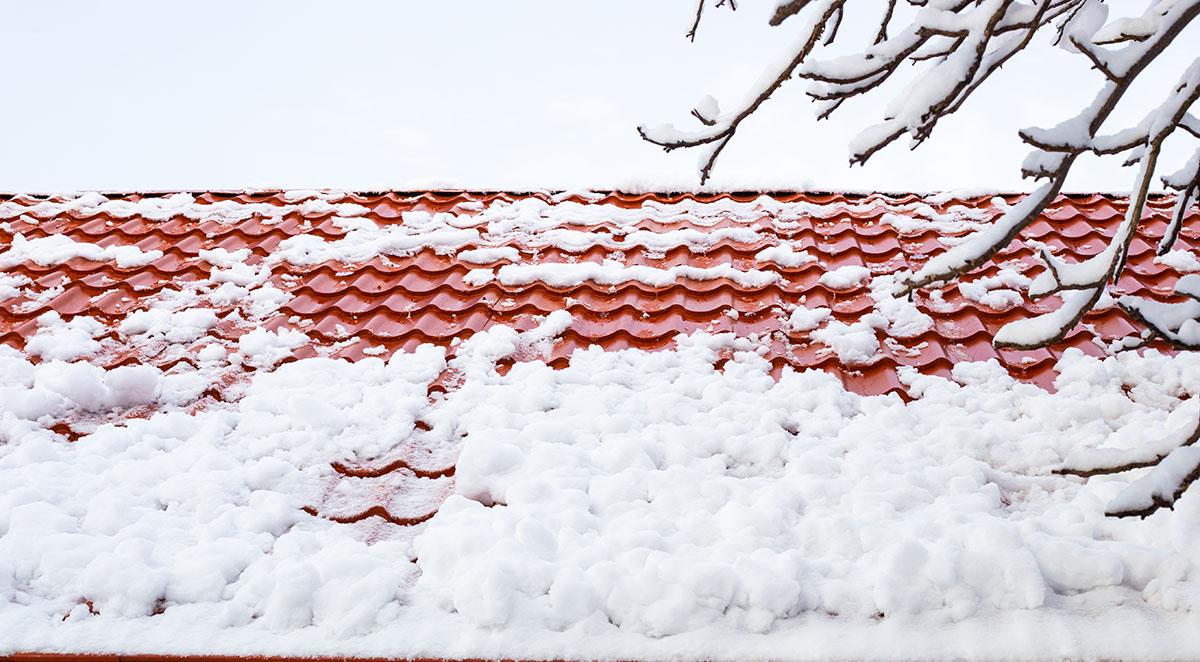
While North Carolina winters are generally milder than northern states, our Piedmont and mountain regions still experience freezing temperatures, ice storms, and occasional snow that can create serious roofing challenges for unprepared homeowners. From the Blue Ridge Mountains to the Charlotte metropolitan area, winter weather events can cause significant roof damage that leads to costly repairs and insurance claims if proper precautions aren't taken.
Understanding how North Carolina's unique winter weather patterns affect your roof is essential for protecting your home and avoiding expensive damage during the coldest months. Unlike consistent snow regions where roofs are designed for heavy loads, NC homes face the challenge of freeze-thaw cycles, ice formation, and sudden temperature changes that can stress roofing systems in ways many homeowners don't anticipate.
At Northwest Roofing, we've been helping North Carolina homeowners prepare for and recover from winter weather events since 1997. Our experience throughout the Piedmont and mountain regions has taught us that proactive winter preparation can prevent most cold-weather roofing problems while ensuring your home stays protected when unexpected ice storms or snow events occur.
1. North Carolina's Winter Weather Challenges
North Carolina's winter weather presents unique challenges that differ significantly from both northern snow regions and consistently warm southern climates. Our variable winter conditions create specific problems that homeowners must understand to protect their roofing investments effectively.
Freeze-Thaw Cycles and Their Impact
North Carolina's winter temperatures frequently fluctuate above and below freezing, creating destructive freeze-thaw cycles that can damage roofing materials over time. When water penetrates small cracks or gaps in roofing materials, subsequent freezing causes expansion that widens these openings, leading to progressive damage that worsens with each temperature cycle.
These freeze-thaw cycles affect different roofing materials in various ways. Asphalt shingles can develop cracks and lose granules when water freezes in small surface imperfections. Metal roofing may experience expansion and contraction that stresses fasteners and seams. Even small existing damage can become major problems when subjected to repeated freezing and thawing throughout winter months.
Freeze-thaw damage signs include:
- Cracked or curled shingle edges
- Missing granules from asphalt shingles
- Loose or backing-out fasteners on metal roofing
- Small leaks that appear during or after cold spells
- Ice formation in gutters and downspouts
Ice Storm Risks in North Carolina
Ice storms represent one of the most serious winter threats to North Carolina homes, creating conditions that can cause immediate severe damage and long-term problems if not addressed properly. Ice accumulation adds significant weight to roof structures while creating conditions for ice dams, gutter damage, and falling tree branches that can puncture roofing materials.
Ice storms can develop rapidly when warm, moist air moves over cold surface temperatures, creating freezing rain that coats all surfaces with ice. This ice accumulation can reach significant thickness during major events, adding hundreds of pounds of weight to roof systems while creating hazardous conditions for assessment and repairs.
The weight of ice accumulation can stress roof structures beyond their design limits, particularly on older homes or structures with existing weakness. Ice also creates conditions where gutters can be damaged or torn away from buildings, leading to drainage problems and potential water damage once melting begins.
Snow Load Considerations
While heavy snowfall is less common in most of North Carolina, mountain regions and occasional major snow events can create significant snow load challenges for residential roofing systems. Understanding how snow affects your roof helps you recognize when professional assessment may be necessary.
Snow load becomes a concern when accumulation exceeds what roof structures were designed to handle, particularly wet, heavy snow that contains significant moisture content. North Carolina homes are typically designed for modest snow loads, making them potentially vulnerable during unusual weather events that bring heavier accumulation than normal.
2. Essential Winter Roof Maintenance Tasks
Proactive maintenance before winter weather arrives can prevent most cold-weather roofing problems while ensuring your home is prepared for whatever winter conditions develop. These maintenance tasks are designed for North Carolina's specific winter challenges and can be accomplished by most homeowners or professional contractors.
Professional Inspection and Assessment
A thorough professional inspection before winter weather begins provides the foundation for effective winter protection. Professional inspections identify existing problems that could worsen during cold weather while ensuring all roof components are functioning properly before stress from winter conditions occurs.
Professional inspections should evaluate all roofing materials for signs of wear, damage, or deterioration that could allow water infiltration during winter weather events. This includes examining shingles, flashing, gutters, downspouts, and ventilation systems to ensure everything is functioning properly and ready for winter conditions.
Professional inspection should include:
- Complete evaluation of all roofing materials and components
- Assessment of gutters and downspout systems for proper function
- Examination of flashing around chimneys, vents, and roof penetrations
- Evaluation of attic ventilation and insulation systems
- Documentation of any issues requiring attention before winter weather
At Northwest Roofing, we provide comprehensive inspections that identify potential winter problems before they become expensive damage. Our experience with North Carolina's winter weather helps us recognize signs that other inspections might miss.
Gutter and Downspout Preparation
Properly functioning gutters and downspouts are essential for winter protection, directing water and melting ice away from your home's foundation and preventing ice dam formation that can cause serious roof damage. Preparing these systems for winter conditions prevents most drainage-related problems.
Gutter preparation includes thorough cleaning to remove leaves, debris, and any blockages that could prevent proper drainage during winter precipitation events. Even small amounts of debris can create ice dams when temperatures fluctuate around freezing, leading to water backup and potential roof damage.
Gutter preparation includes:
- Complete cleaning of all gutters and downspouts to ensure unrestricted water flow
- Inspection of gutter attachments and brackets for secure mounting
- Evaluation of downspout extensions to ensure proper drainage away from foundations
- Assessment of gutter slopes to verify proper drainage toward downspouts
- Verification that all gutter joints are sealed and functioning properly
Attic Ventilation and Insulation
Proper attic ventilation and insulation play crucial roles in preventing ice dam formation and maintaining consistent roof temperatures during winter weather. These systems work together to prevent warm air from melting snow on roof surfaces while ensuring adequate ventilation prevents moisture buildup.
Inadequate attic insulation allows heated air from living spaces to warm roof surfaces, creating conditions where snow melts and refreezes at roof edges, forming ice dams that can force water under roofing materials. Proper insulation maintains consistent roof temperatures that prevent this problem.
Ventilation systems must function properly to remove moisture and maintain proper air circulation in attic spaces. Blocked or inadequate ventilation can create conditions where moisture buildup leads to mold, mildew, and structural damage that becomes apparent during winter months when ventilation is most critical.
Ventilation and insulation evaluation should include:
- Assessment of insulation levels and distribution throughout attic spaces
- Inspection of soffit and ridge vents for proper function and clear air flow
- Evaluation of vapor barriers and their condition
- Assessment of any air leaks between living spaces and attic areas
- Documentation of any ventilation improvements needed for optimal performance
3. Preventing Ice Dams and Water Damage
Ice dams represent one of the most serious winter roofing problems for North Carolina homes, creating conditions that can force water under roofing materials and cause extensive interior damage. Understanding how ice dams form and implementing prevention strategies protects your home from this potentially expensive problem.
Understanding Ice Dam Formation
Ice dams form when snow on roof surfaces melts due to heat from below, then refreezes when water reaches colder roof edges or gutters. This process creates a dam of ice that prevents proper drainage and can force water to back up under roofing materials where it can cause significant damage to structure and interior spaces.
The ice dam formation process begins when insufficient attic insulation allows heated air from living spaces to warm roof surfaces above freezing. Snow on these warmed areas melts and flows toward roof edges, where temperatures are typically colder due to exposure to outside air and lack of heat from below.
When this melted water reaches colder areas, it refreezes, gradually building up ice formations that block normal drainage pathways. As more snow melts and flows toward the ice dam, water levels can build up behind the ice barrier, eventually finding ways under roofing materials that were never designed to handle standing water.
Prevention Strategies
Effective ice dam prevention focuses on maintaining consistent roof temperatures and ensuring proper drainage even when ice formation occurs. These strategies address the root causes of ice dam formation while providing backup protection when prevention measures aren't completely effective.
Temperature control through proper insulation and ventilation prevents the differential heating that causes snow to melt and refreeze at roof edges. When roof surfaces maintain consistent temperatures close to outside air temperature, snow melts uniformly and drains properly without forming ice dams.
Ice dam prevention includes:
- Ensuring adequate attic insulation prevents heat transfer to roof surfaces
- Maintaining proper ventilation keeps roof temperatures consistent
- Keeping gutters clean allows proper drainage even with some ice formation
- Installing proper flashing provides backup protection against water infiltration
- Monitoring weather conditions helps identify when additional precautions may be necessary
Emergency Response for Ice Dams
When ice dams do form despite prevention efforts, immediate response can minimize damage and prevent minor problems from becoming major disasters. Understanding safe and effective ice dam removal helps protect both your home and personal safety during winter emergencies.
Ice dam removal must be approached carefully to avoid damage to roofing materials and personal injury from working in hazardous winter conditions. Professional removal is often the safest and most effective approach, particularly for extensive ice dam situations or when roof access is dangerous.
Safe ice dam response includes:
- Avoiding aggressive chipping or breaking that can damage roofing materials
- Using safe methods to remove snow load from roof surfaces when possible
- Creating drainage channels through ice dams when removal isn't possible
- Professional assessment of any damage caused by ice dam water infiltration
- Documentation of ice dam damage for insurance purposes
4. Material-Specific Winter Care
Different roofing materials require specific approaches to winter maintenance and protection. Understanding how your particular roofing material responds to winter conditions helps you implement the most effective protection strategies while avoiding actions that could cause damage.
Asphalt Shingle Winter Care
Asphalt shingles represent the most common roofing material in North Carolina and require specific winter maintenance approaches that account for their particular vulnerabilities to cold weather damage. Proper shingle care prevents most winter problems while extending overall roof life.
Cold temperatures make asphalt shingles more brittle and susceptible to damage from ice formation, thermal cycling, and physical impact from falling branches or other winter hazards. Understanding these vulnerabilities helps homeowners take appropriate protective measures.
Shingle winter care includes:
- Avoiding walking on shingles during cold weather when they become brittle
- Removing snow load gently to prevent damage to cold, brittle materials
- Inspecting for loose or damaged shingles that could worsen during winter weather
- Ensuring proper attic ventilation prevents ice dam formation that can damage shingle edges
- Professional assessment of any winter damage before it leads to more extensive problems
Our shingle roofs installations are designed specifically for North Carolina's winter challenges, using materials and techniques that provide optimal cold weather performance.
Standing Seam Metal Roof Winter Considerations
Standing seam metal roofing provides excellent winter performance when properly installed and maintained, offering superior ice shedding properties and thermal performance that reduces ice dam risks. However, metal roofing requires specific winter maintenance approaches that account for its unique characteristics.
Metal roofing's thermal properties mean it responds quickly to temperature changes, which can be advantageous for shedding snow and ice but may create different maintenance requirements than other materials. Understanding these characteristics helps ensure optimal winter performance.
Metal roof winter care includes:
- Inspection of fasteners and seams that may be affected by thermal cycling
- Assessment of snow guards or retention systems where installed
- Evaluation of potential ice sliding hazards and appropriate safety measures
- Professional inspection of panel joints and expansion accommodation
- Verification that gutters can handle increased runoff from metal surfaces
Our standing seam metal roof installations account for North Carolina's winter conditions while providing superior long-term performance and durability.
Commercial EPDM Roof Winter Maintenance
Commercial buildings with EPDM rubber membrane systems require specific winter maintenance approaches that account for the unique characteristics of these roofing systems during cold weather conditions. Proper EPDM winter care prevents damage while ensuring optimal performance.
EPDM membranes can become less flexible in cold temperatures, making them potentially more susceptible to damage from ice formation, thermal stress, and physical impact. Understanding these characteristics helps ensure appropriate winter maintenance approaches.
EPDM winter maintenance includes:
- Professional inspection of membrane condition and seam integrity before winter
- Assessment of drainage systems to prevent ice formation and standing water
- Evaluation of insulation systems that affect thermal performance
- Inspection of rooftop equipment and penetrations for proper winterization
- Professional assessment of any winter damage to membrane systems
Our EPDM flat roof installations are designed for North Carolina's commercial applications with appropriate winter performance characteristics.
5. When to Call Professional Help
Recognizing when winter roofing problems require professional intervention can prevent minor issues from becoming major disasters while ensuring your safety during hazardous winter conditions. Understanding the limits of DIY approaches helps you make appropriate decisions about professional assistance.
Emergency Situations Requiring Immediate Professional Response
Certain winter roofing problems require immediate professional attention to prevent extensive damage and ensure safety. These emergency situations often develop rapidly and can cause significant damage if not addressed promptly by experienced professionals.
Emergency situations include active leaks during winter weather, ice dam formation causing water infiltration, structural damage from ice or snow loads, fallen trees or branches causing roof damage, and dangerous ice formations that threaten safety or property damage.
Emergency indicators include:
- Active leaks during winter weather events
- Visible ice dam formation with water backup
- Structural sagging or damage from snow or ice loads
- Large ice formations threatening property or safety
- Any situation where immediate action can prevent extensive additional damage
Northwest Roofing provides emergency response throughout our service area when winter weather creates urgent roofing problems that require immediate professional attention.
Professional Assessment After Winter Weather Events
Professional assessment after significant winter weather events helps identify damage that may not be immediately apparent while ensuring your roof is ready for continued winter conditions or spring weather. This assessment can prevent hidden damage from becoming major problems.
Post-winter-weather assessment should evaluate all roofing components for damage, functionality, and performance to ensure your home remains properly protected. This includes inspection for ice damage, assessment of any structural stress from snow loads, and evaluation of drainage systems after ice formation.
Professional assessment should include:
- Complete evaluation of all roofing materials for winter weather damage
- Assessment of gutter and drainage system condition and function
- Inspection of attic spaces for any signs of water infiltration or ventilation problems
- Documentation of any damage for insurance purposes
- Recommendations for immediate repairs or maintenance to prevent further problems
6. Frequently Asked Questions
How much snow can my North Carolina roof handle safely?
Most North Carolina homes are designed for moderate snow loads typical of our climate, generally 15-25 pounds per square foot. However, wet snow can weigh significantly more than dry snow, and ice accumulation adds considerable additional weight. If you notice structural sagging, unusual sounds, or doors and windows becoming difficult to operate during snow events, contact a professional for immediate assessment.
Should I remove snow from my roof myself?
Snow removal can be dangerous and potentially damaging if done improperly. We recommend professional snow removal for safety and to prevent damage to roofing materials. If you must remove snow yourself, use a roof rake from the ground and avoid climbing on icy or snow-covered roofs. Never use metal tools or aggressive methods that can damage roofing materials.
How can I tell if I have ice dams forming?
Ice dam warning signs include ice buildup along roof edges or in gutters, icicles forming along roof lines, water stains on interior walls or ceilings, and frozen or overflowing gutters. If you notice these signs, monitor the situation closely and consider professional assessment to prevent water damage.
What should I do if I discover a leak during winter weather?
Winter leaks require immediate attention to prevent extensive damage. Place containers to catch water, move valuables away from affected areas, and document the damage with photographs for insurance purposes. Contact Northwest Roofing for emergency assessment and temporary protection while permanent repairs are planned.
How can I prevent ice dams without major roof modifications?
Ice dam prevention focuses on temperature control and drainage. Ensure adequate attic insulation and ventilation, keep gutters clean and functional, and consider professional assessment of your home's thermal characteristics. Most ice dam problems can be prevented with proper maintenance and minor improvements rather than major modifications.
When is the best time to schedule winter roof preparation?
Schedule professional inspection and maintenance in late fall before winter weather begins. This timing allows for completion of any necessary work before cold weather makes repairs more difficult and expensive. Early preparation also ensures materials and scheduling availability before winter emergency demand increases.
7. How to Protect Your Investment
Don't wait for winter weather to reveal roofing problems that could have been prevented with proper preparation. Northwest Roofing offers comprehensive winter preparation services throughout North Carolina, providing professional assessment and repair work that protects your home from cold weather damage while ensuring you're ready for whatever winter conditions develop.
Our winter preparation services include complete professional inspection, gutter and drainage system preparation, ventilation and insulation assessment, identification and correction of potential problem areas, and detailed recommendations for optimal winter protection. Whether you need preventive maintenance or emergency response, our expertise ensures your home receives comprehensive protection.
Winter weather can develop quickly in North Carolina, making advance preparation essential for protecting your most important investment. Our experience with local winter conditions helps us identify potential problems before they become expensive damage while ensuring your home is ready for seasonal weather challenges.
Contact Northwest Roofing for Winter Preparation:
- Phone: 844-766-3762
- Comprehensive Winter Inspections: Available throughout North Carolina
- Licensed and Insured
- Winter Roofing Specialists Since 1997
Schedule your winter preparation inspection today and ensure your North Carolina home is protected from ice and snow damage. Our professional expertise and comprehensive approach provide the peace of mind that comes from knowing your home is ready for whatever winter weather brings. Don't let winter catch you unprepared – contact us today for professional winter roof preparation that protects your valuable investment.