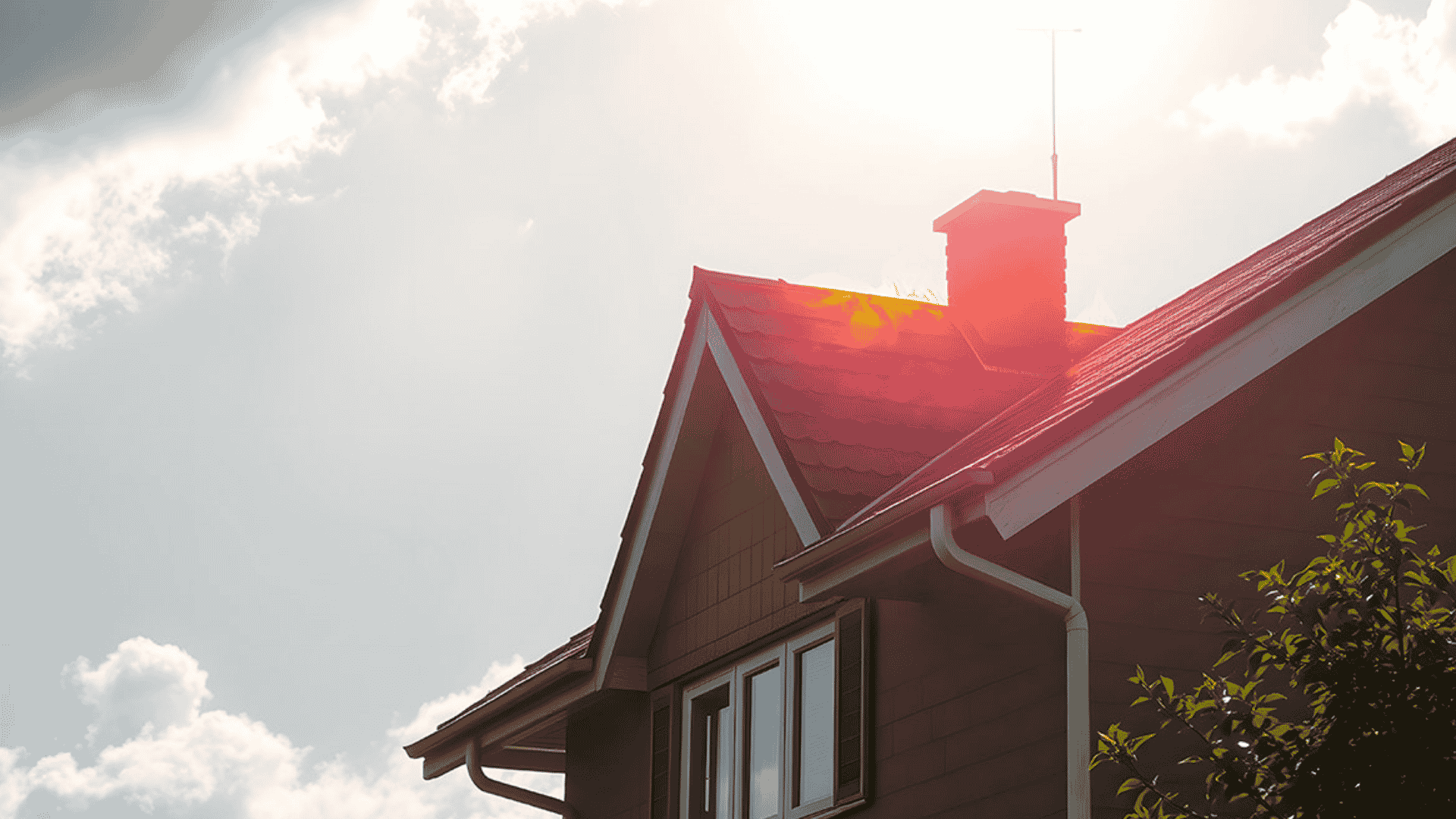
North Carolina summers are no joke. When temperatures climb into the 90s and beyond across Hickory, Statesville, and the surrounding foothills, your roof absorbs the brunt of that heat day after day. Over time, summer heat roof damage can shorten the lifespan of your roofing system, drive up energy costs, and create problems that many homeowners never see coming until they need costly repairs.
Each roofing material responds to high temperatures in its own way, and knowing what to watch for can help you catch small issues before they become big ones.
Quick Summary
- Prolonged summer heat in North Carolina can cause thermal roof damage across all roofing materials, from asphalt shingles to flat roof membranes.
- Metal roofs are among the best hot weather roofing materials because they reflect sunlight and resist thermal degradation.
- Asphalt shingle roofs are vulnerable to granule loss, curling, and cracking during extended high temperatures.
- EPDM flat roofs handle temperature fluctuations well due to their flexible rubber composition.
- Composite slate and composite shake roofing are engineered to resist extreme heat and UV exposure.
- Regular roof inspections are the best way to identify and address heat-related damage early.
How Summer Heat Damages Your Roof
The surface temperature of a roof on a hot summer day in North Carolina can far exceed the ambient air temperature. That sustained heat creates a cycle of expansion and contraction as materials heat up during the day and cool down at night, putting stress on every component of your roofing system.
The effects of thermal roof damage NC homeowners should watch for include:
- Warping, buckling, or curling of roofing materials
- Cracking or splitting along seams and joints
- Accelerated granule loss on asphalt shingles
- Deterioration of adhesives and sealants
- Increased energy costs from heat transfer into the attic
Proper ventilation plays a critical role in managing heat buildup. When attic ventilation is inadequate, trapped heat intensifies the damage while forcing your cooling system to work harder. If you suspect heat-related damage, contact Northwest Roofing for a free inspection. Read our blog about how roof ventilation problems lead to premature roof failure.
Asphalt Shingle Roofs and Summer Heat
Asphalt architectural shingles remain one of the most popular residential roofing choices in Western North Carolina. They offer a reliable roofing solution with a manufacturer's warranty and come in a variety of colors. However, they are one of the materials most affected by sustained high temperatures.
What Happens to Shingles in Extreme Heat
Architectural shingles are constructed with a heavier base mat with multiple layers of material, giving them a dimensional appearance. While this makes them more durable than standard three-tab shingles, they are still susceptible to heat-related wear:
- Granule loss: The protective granules on asphalt shingles shield the underlying material from UV rays. Prolonged heat exposure accelerates granule shedding, leaving the shingle exposed and vulnerable.
- Curling and buckling: As shingles absorb heat, they can soften and curl at the edges or buckle along their surface, becoming more susceptible to wind damage and water infiltration.
- Thermal cracking: Repeated cycles of heating and cooling cause the asphalt to expand and contract, leading to hairline cracks that compromise the shingle's waterproofing ability.
- Blistering: Air or moisture trapped beneath the shingle surface can expand in extreme heat, forming visible blisters that weaken the material.
The best defense against summer heat roof damage on a shingle roof is proper installation, adequate attic ventilation, and regular inspections. High-quality architectural shingles with a manufacturer's warranty give your roof a stronger starting point against heat exposure.
Metal Roofs: Built for the Heat
When it comes to hot weather roofing materials, metal roofing stands out as one of the best performers. Metal roofs are made of large sheets of steel, aluminum, tin, or copper and handle summer heat fundamentally differently than most other materials.
Why Metal Roofs Excel in Summer
Rather than absorbing heat the way asphalt does, metal roofing reflects sunlight, reducing the amount of heat that transfers into your attic and living spaces. Many homeowners are surprised to learn that metal roofing is highly energy efficient, reflecting hot sun during the summer and retaining interior heat better than any other roofing system during the winter.
Other advantages of metal roofs in summer heat include:
- They do not crack, curl, or lose granules like asphalt shingles
- A properly installed standing seam metal roof lasts an average of 50 years, well outlasting decades of NC thermal stress
- Low maintenance requirements mean lifecycle costs remain low even through years of heat exposure
- Standing seam systems are designed to accommodate natural thermal expansion without compromising the seal
Northwest Roofing installs standing seam metal roofing, which provides superior protection with interlocking panels that allow for natural thermal movement.
EPDM Flat Roofs and Thermal Performance
Flat roofs and low-slope roofs present unique challenges during summer because they lack the angled surface that helps pitched roofs shed heat. The most common flat roofing material is Ethylene Propylene Diene Monomer, or EPDM, a single-ply rubber membrane that Northwest Roofing installs and repairs.
EPDM is made of synthetic rubber, giving it a natural advantage in handling temperature changes. The material is flexible and elastic, allowing it to expand and contract with temperature fluctuations better than many other types of flat roof materials. Key characteristics of EPDM in hot weather include:
- Excellent resistance to UV radiation and thermal aging
- Flexibility that prevents cracking during thermal cycling
- Durability across a wide range of temperatures, from extreme summer heat to winter cold
- A single-layer application that minimizes the number of seams where heat damage could occur
Even though EPDM performs well in heat, flat roofs should still be inspected regularly for signs of wear at seams, edges, and around penetrations like HVAC units or vents.
Composite Slate and Composite Shake in Summer Heat
Two of the most heat-resilient options available are composite slate and composite shake. Both are engineered from synthetic materials designed to withstand extreme weather, including sustained high temperatures.
Composite slate shingles are made from a blend of materials including asphalt, slate, laminate, fiberglass, wood fiber, and tar paper. This composition gives them structural stability that resists warping and cracking. With proper installation, composite slate roofs can last 50 years or more.
Composite shake shingles offer the realistic look of cedar shake wood shingles but with far superior durability in hot, humid climates. Traditional cedar shakes absorb moisture and dry rapidly in summer heat, leading to splitting and decay. Composite shake eliminates these concerns because the synthetic materials resist rot, decay, and insect damage while maintaining structural integrity through intense sunlight.
Signs Your Roof May Have Heat Damage
Regardless of what material covers your home, watch for these warning signs that summer heat may be taking a toll:
- Shingles that appear wavy, buckled, or curled when viewed from ground level
- Granules accumulating in gutters or at the base of downspouts
- Visible cracks or splits in roofing material
- Blistering or bubbling on flat roof membranes
- A noticeable increase in your cooling bills without other explanation
- Interior signs like water stains on ceilings or walls
If you notice any of these issues, schedule a professional inspection. Heat damage that goes unaddressed can lead to leaks and premature roof replacement. Northwest Roofing offers free, no-pressure roof inspections across Western North Carolina, and if we find storm damage or other issues, we can help you through the insurance claims process. Read about what kind of roof damage is covered by insurance so you understand what your policy is likely to include.
FAQs About Summer Heat and Roofing
What roofing material handles summer heat best in North Carolina?
Metal roofing is widely considered one of the best performers in high heat because it reflects sunlight rather than absorbing it, helping reduce cooling costs. Composite slate and composite shake are also engineered to resist heat and UV damage effectively.
How can I tell if my roof has heat damage?
Look for curling or buckling shingles, granules in your gutters, visible cracks or blisters, and any unexplained increase in your energy bills. For flat roofs, check for membrane shrinkage or separation at seams. A professional roof inspection is the most reliable way to assess heat damage.
Does summer heat void my roof warranty?
Normal heat exposure typically does not void a manufacturer's warranty, but damage resulting from poor ventilation or improper installation might. Proper installation with adequate ventilation is the best way to keep your warranty intact.
How often should I have my roof inspected?
We recommend at least one professional inspection per year, ideally in spring or early summer before the most extreme heat arrives. Contact us to schedule your free inspection.
Protect Your Roof This Summer
North Carolina summers put every roofing system to the test. Understanding how heat affects your specific material helps you make informed decisions about maintenance and repairs.
Northwest Roofing has been helping families and businesses across Western NC with dependable roofing services since 1997. If you are concerned about how this summer's heat may be affecting your roof, reach out through our contact page for a free, no-pressure roof inspection and evaluation.