NorthWest Roofing Blog
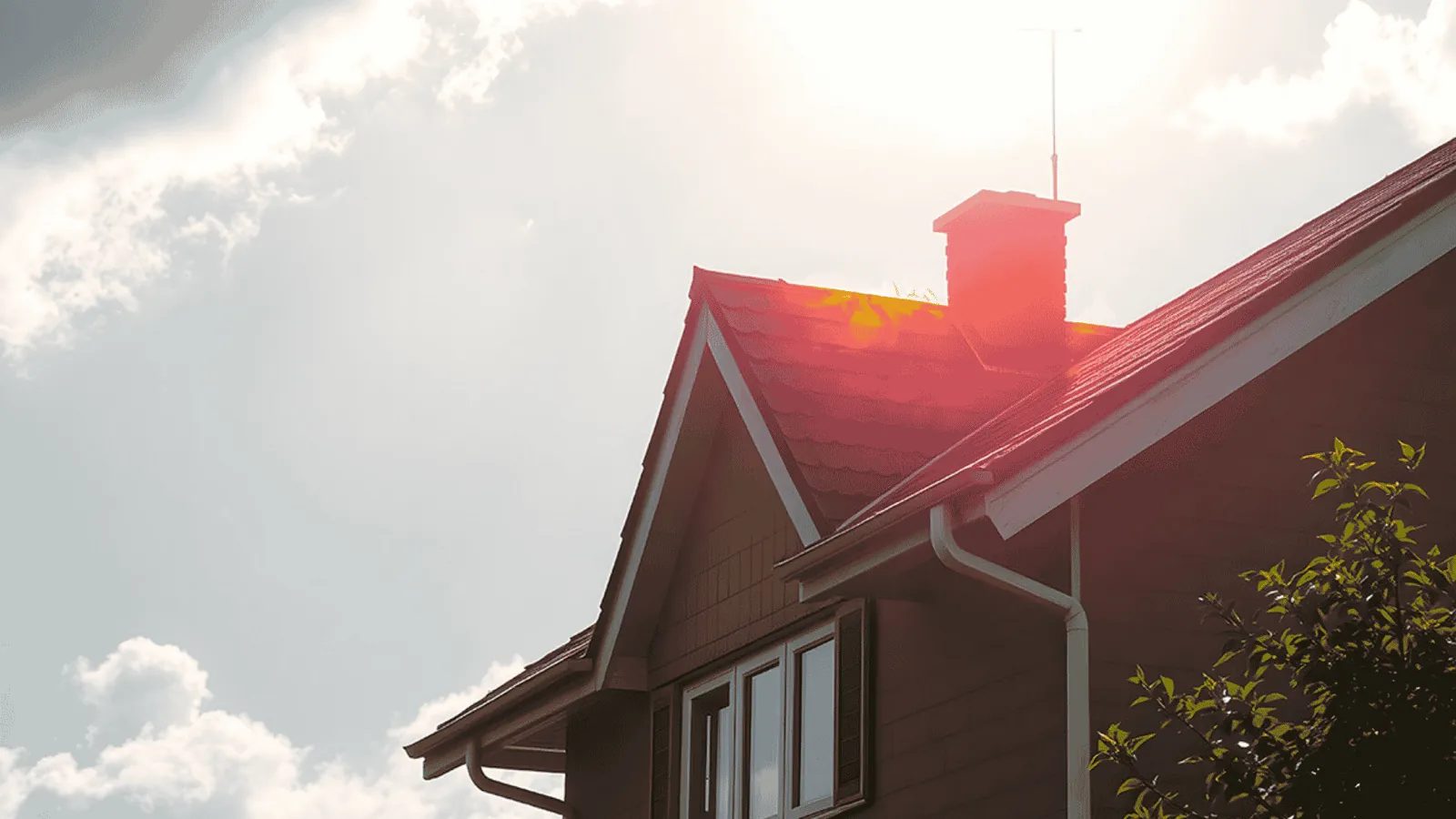
North Carolina summers are no joke. When temperatures climb into the 90s and beyond across Hickory, Statesville, and the surrounding foothills, your roof absorbs the brunt of that heat day after day. Over time, summer heat roof damage can shorten the lifespan of your roofing system, drive up energy costs, and create problems that many homeowners never see coming until they need costly repairs.
Each roofing material responds to high temperatures in its own way, and knowing what to watch for can help you catch small issues before they become big ones.

Few things create more uncertainty for a homeowner than waiting for an insurance adjuster to climb onto the roof. You know storm damage is up there, but you are not sure what the adjuster will actually see, what they will approve, or how to talk about it when the time comes. That uncertainty is exactly why so many claims end up underpaid or denied outright.

When a major storm rolls through Western North Carolina and damages your roof, your first instinct may be to call a roofer and get it fixed fast. But before any repairs begin, one critical step can make or break your insurance claim: proper documentation.
Knowing how to document storm damage for insurance is the difference between a claim that gets fully paid and one that gets underpaid, delayed, or denied. At Northwest Roofing, we are insurance claim experts who have been helping North Carolina homeowners navigate this process since 1997. This guide walks you through everything you need to know to build a strong, well-supported claim from the moment the storm passes.
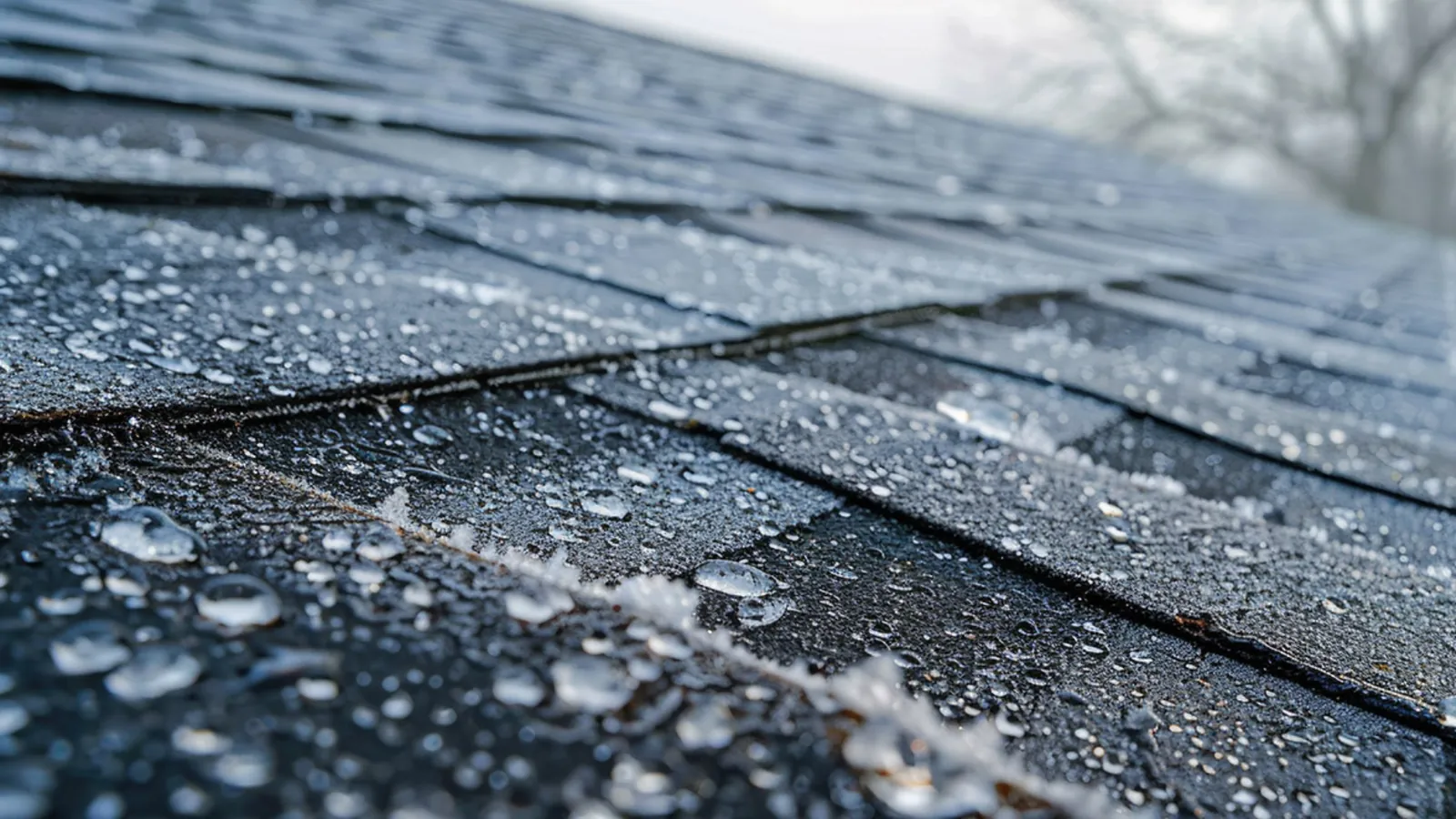
After a hailstorm rolls through Western North Carolina, thousands of homeowners look up at their roofs and wonder the same thing: is that damage from the storm, or was it already there? The answer to this question could mean the difference between a fully covered roof replacement and an expensive out-of-pocket repair. Insurance companies hail claims departments handle thousands of these disputes every year, and the reality is that many legitimate storm damage claims get unfairly denied or undervalued. Here's what you need to know to make sure that doesn't happen to you.